
Newsletter Subscription
Enter your information below and subscribe to our newsletter

Enter your information below and subscribe to our newsletter
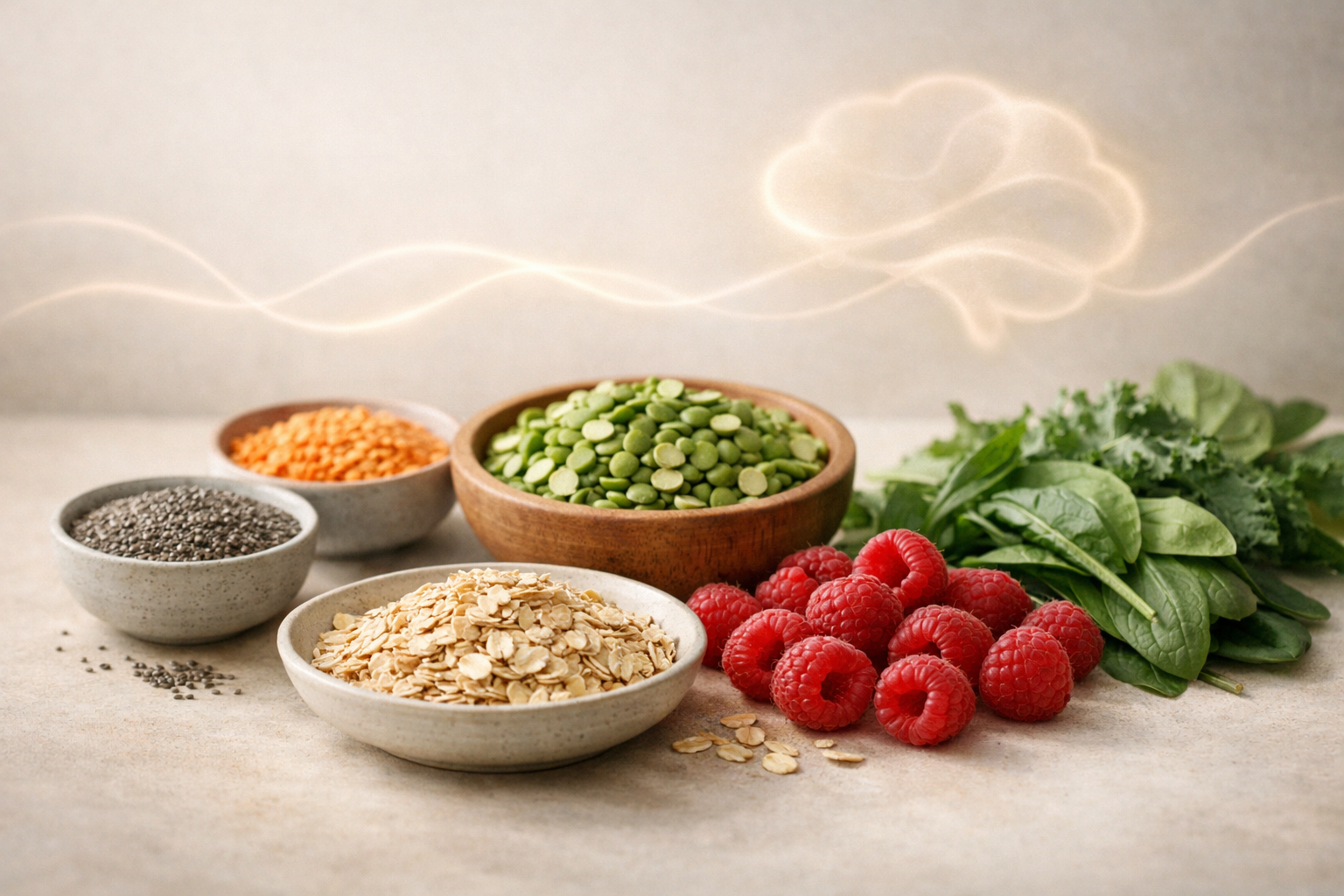
Productivity culture often focuses on tools like apps, systems, and shortcuts. But in 2026, one of the best ways to boost focus and energy isn’t digital. It’s biological.
Fibermaxxing means intentionally eating more dietary fiber, aiming for the higher end of a healthy intake range, to support the gut–brain connection. It’s not a diet trend or a cleanse. Instead, it’s a simple way to help your body better fuel your mind.
For years, fiber was mostly seen as just good for digestion. New research now shows it’s much more important. Fiber helps keep your energy, attention, and mental clarity steady. When your gut is healthy, your brain doesn’t have to work as hard.
This website contains affiliate links. As an Amazon Associate, I earn from qualifying purchases. The content on this website was created with the help of AI.
The gut and brain are always communicating. Fiber helps them understand each other.
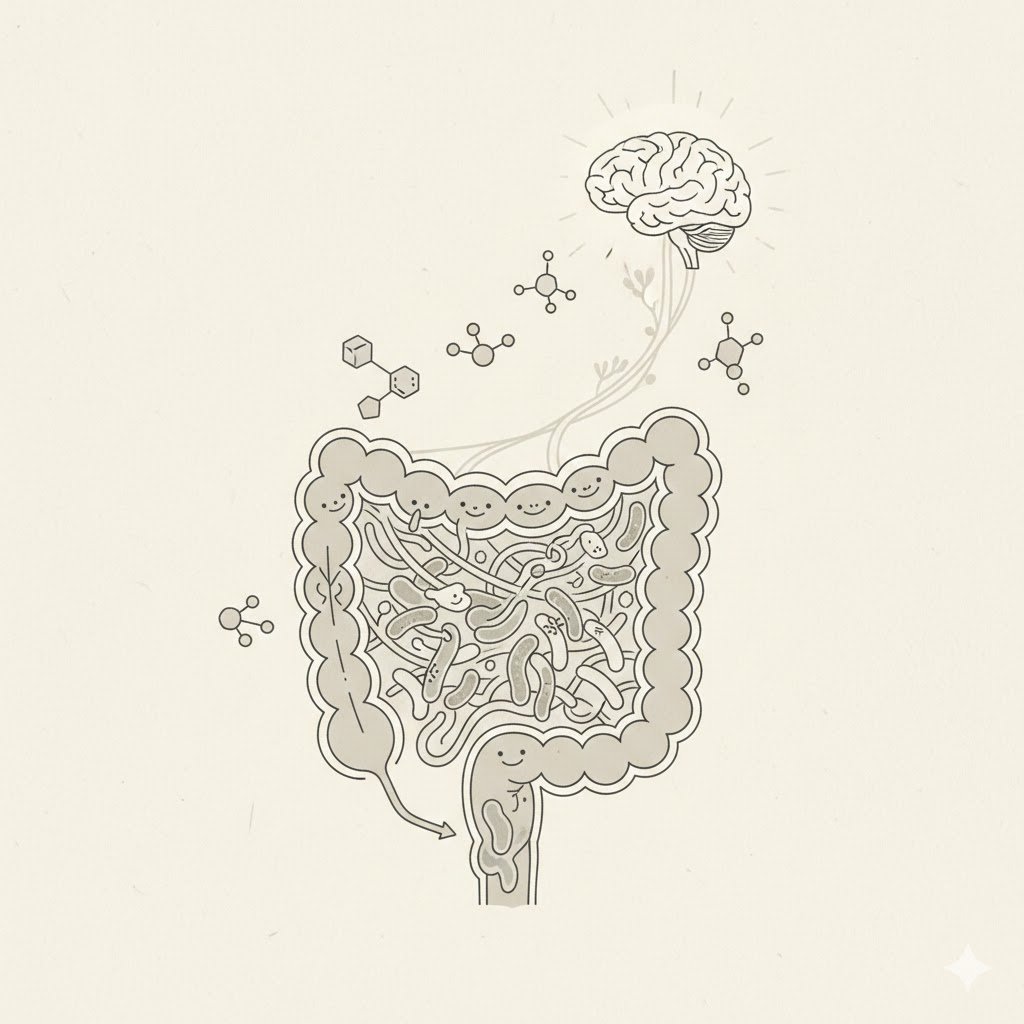
When fiber reaches the colon, beneficial gut bacteria convert it into short-chain fatty acids (SCFAs). These help control inflammation, balance brain chemicals, and support steady blood sugar levels.
In practical terms, this shows up as:
Unlike stimulants, fiber doesn’t force your brain to work harder. Instead, it helps remove the things that slow you down.
One of fiber’s most overlooked mental benefits is satiety, or the lasting feeling of fullness that helps you stay focused.
Meals high in fiber slow down digestion and send signals to your brain that you don’t need more food. This is important during the workday. Hunger can distract you, and cravings can break your focus. Fiber helps prevent both.
Most people notice this as a subtle change, not a big boost: fewer urges, fewer breaks, and more steady focus.
Not all fiber sources are the same. Some foods have much more fiber per serving, making them especially helpful if you want to increase your fiber intake.
These foods are high in fiber and digest slowly, helping keep your energy steady all day.
It’s best to add fiber to your diet slowly.
Foundational guidelines:
Eating a variety of plant foods with different colors, textures, and types helps your gut adjust more easily. Sudden increases in fiber can cause bloating and tiredness, which is not the goal.
Whole foods are still the best choice because they provide fiber along with other nutrients. Some people use prebiotic fiber supplements to fill small gaps after they have a good base of whole foods.
If you use supplements, do so in small amounts. They should add to your meals, not take their place.
Most healthy diets include some fiber by default. Fibermaxxing is about making a conscious effort to get more.
It aims for the higher end of recommended fiber intake to achieve certain results:
The difference isn’t about being extreme. It’s about being precise.
Many people notice:
The benefits build up over time. Being consistent is more important than reaching a perfect number.
Fibermaxxing isn’t showy. It doesn’t promise quick changes or viral success.
Instead, it offers something reliable: calmer focus, fewer distractions, and energy that lasts through your workday. By supporting your gut, you remove two big productivity obstacles: hunger and sudden energy changes.
Try adding just one small thing tomorrow, like a spoonful of chia seeds or a bowl of lentils. You’ll feel the difference before you even realize it.
(Reader reference section — not required)
Some people find it easier to eat more fiber by using simple kitchen tools and pantry staples:
These are optional aids, not requirements. Whole foods and consistency matter most.