
Newsletter Subscription
Enter your information below and subscribe to our newsletter

Enter your information below and subscribe to our newsletter

Most dogs don’t limp, whine, or refuse food when something is wrong. They adapt, compensate, and carry on.
That’s why so many pet owners experience the same quiet worry: something feels off, but I can’t explain why.
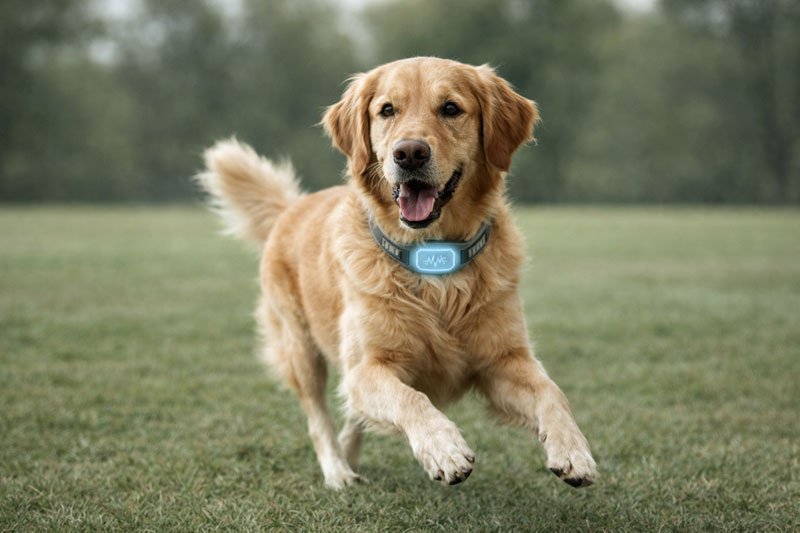
This is where pet wearables for dogs have started to matter — not as gadgets or toys, but as tools for noticing slow, subtle changes before they become real problems.
At Shop My Ass Off, we’re paying close attention to a specific shift in pet care: wearables, fitness tracking, and targeted supplements that focus on prevention instead of reaction. Used properly, these tools don’t replace your vet. They help you show up with better information.
The biggest health issues in dogs rarely appear overnight. They show up gradually:
Humans are bad at noticing slow trends. Technology, when used calmly, is not.
Modern pet wearables for dogs are designed to establish a baseline — what normal looks like for your dog — and then quietly flag deviations from that pattern.
That’s the real value.
Most pet owners don’t miss obvious illness. We miss behavioral drift.
This is especially true for:
A gradual reduction in movement or changes in rest patterns often appear weeks before stiffness, limping, or weight gain become visible.
This is exactly the gap that pet wearables for dogs are meant to fill.
This website contains affiliate links. As an Amazon Associate, I earn from qualifying purchases. The content on this website was created with the help of AI.
The best pet wearables for dogs don’t push goals or daily targets. They observe quietly.
What matters isn’t how many steps your dog took today — it’s how today compares to the last month. Devices like health-focused dog collars available on Amazon help establish long-term behavior baselines, making it easier to spot subtle changes early.
If a wearable turns your dog into a data project, it’s the wrong one.
Donkey Verdict:
The right pet wearable for dogs behaves like a background note-taker, not a personal trainer.
Check out pet wearables for dogs on Amazon
While pet wearables for dogs track overall behavior and rest patterns, fitness tracking focuses specifically on changes in movement, stamina, and physical output.
Fitness tracking for dogs is often misunderstood. The truth is, it’s not about maximizing movement; it’s about noticing decline early.
A steady drop in daily activity, even if small, can signal:
When paired with observation, fitness data gives you something concrete to discuss with your vet instead of a vague feeling.
This is where pet wearables for dogs earn their place.
Check out dog fitness tracking on Amazon
Not all emerging pet tech is wearable. Supplements — especially probiotics — play a growing role in preventive care.
A dog’s gut health affects:
Probiotics are particularly useful for dogs with:
Check out dog probiotics on Amazon
Donkey Verdict:
Pet wearables tell you something is changing. Fitness tracking helps you see what kind of change it is. If the label feels vague or flashy, skip it. Calm health starts with boring clarity.
These tools are most effective when:
They are least effective when:
Pet wearables for dogs are about awareness, not anxiety.
Before buying any wearable, tracker, or supplement, ask:
Will this help me notice change earlier or just give me more numbers to manage?
If the answer isn’t clear, it doesn’t earn its place.
The most meaningful trend in pet care isn’t flashy innovation, it’s quiet prevention.
Pet wearables for dogs, fitness tracking, and targeted supplements matter not because they’re new, but because they help attentive owners notice change earlier and act more thoughtfully.
That’s the kind of upgrade we stand behind.
The donkey approves.
For a veterinarian-backed perspective on recognizing early changes in your dog’s behavior and health, the American Kennel Club offers excellent guidance on canine wellness and preventive care.