
Newsletter Subscription
Enter your information below and subscribe to our newsletter

Enter your information below and subscribe to our newsletter
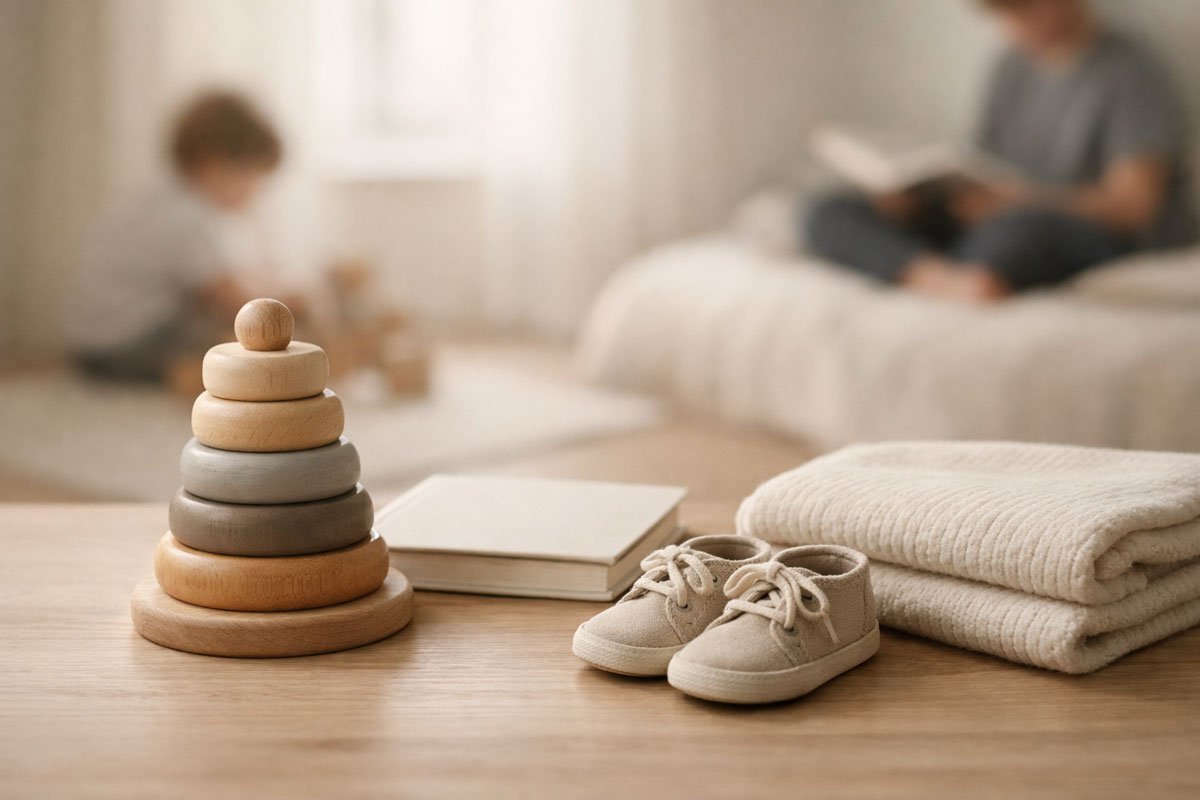
Thoughtful gifts for babies and kids at various life stages are no longer about piling on toys or chasing seasonal trends. In 2026, parents, relatives, and friends are increasingly aware that children move through distinct developmental phases—each with its own emotional, cognitive, and practical needs.
Whether it’s welcoming a newborn, supporting a toddler’s independence, nurturing a school-age child’s curiosity, or helping a teen navigate identity and responsibility, the most meaningful gifts are those that meet children where they are. These gifts don’t just entertain; they support routines, confidence, creativity, and a sense of stability during moments of growth and change.
At Shop My Ass Off, our “Donkey Work” for this guide focused on identifying high-quality, durable, and thoughtfully designed items that align with real childhood development—not clutter, noise, or disposable novelty.
This website contains affiliate links. As an Amazon Associate, I earn from qualifying purchases. The content on this website was created with the help of AI.
| Life Stage | Primary Need | The Donkey Verdict (Top Gift) |
|---|---|---|
| Baby | Comfort & Routine | Lovevery Play Kits |
| Toddler | Independence & Movement | Balance Bike |
| Preschool | Learning Through Play | Open-Ended Building Set |
| School-Age | Focus & Creativity | Art Supply Organizer |
| Teen | Autonomy & Self-Care | Weighted Blanket or Desk Lamp |
Across every age group, the most thoughtful gifts for kids’ life stages share three qualities:
With that lens, here’s how we approached each stage.
The first year of life is defined by rapid neurological growth and a deep need for predictability. Babies don’t need stimulation overload—they need calm, repetition, and safety.
The Recommendation: Lovevery Play Kits
Designed by child-development experts, these kits rotate age-appropriate toys made from wood, organic cotton, and food-grade silicone. Each item serves a clear developmental purpose without flashing lights or synthetic noise.
Why It Works:
Parents receive guidance, babies receive sensory-appropriate tools, and nothing feels disposable.
The Donkey Verdict:
This is a gift that respects both the child and the exhausted adults in the room.
Toddlers are discovering autonomy. They want to move, choose, and experiment—often all at once.
The Recommendation: Toddler Balance Bike
Unlike bikes with training wheels, balance bikes naturally develop coordination and confidence, without pressure.
Why It Works:
Movement becomes intuitive, not forced. Kids learn balance at their own pace.
The Earthy Detail:
Look for models made from lightweight aluminum or sealed birch wood for durability and sustainability.
This is the “why?” stage—where imagination and logic collide. The best gifts here invite open-ended play.
The Recommendation: Magnetic Tiles or Wooden Building Sets
These tools allow children to experiment with structure, symmetry, and storytelling simultaneously.
Why It Works:
There’s no single “right” way to play. Creativity leads.
The Donkey Verdict:
If a toy can be used a hundred different ways, it’s doing its job.
As children gain independence, they also crave competence. They want to get good at things.
The Recommendation: Dedicated Art or Craft Organizer
A curated set of quality art supplies—stored properly—signals trust and responsibility.
Why It Works:
It transforms creativity from chaos into intention.
The Earthy Detail:
Choose refillable tools and natural materials where possible. Plastic burnout is real.
Teenagers are often misunderstood. They don’t need more “stuff”—they need respect for their autonomy and inner life.
The Recommendation: Weighted Blanket or Adjustable Desk Lamp
Both address stress, sleep, and personal environment—areas teens can actually control.
Why It Works:
These gifts say, “Your comfort and focus matter.”
The Donkey Verdict:
The best teen gifts don’t perform for social media. They perform in real life.
Focus on universal needs—sleep, creativity, movement, and organization. Avoid trend-driven toys and opt for items that support daily life.
Yes. Children form deeper attachments to durable, familiar, and functional objects.
Neutral design, adaptable use, and materials that don’t break after six months.
The most thoughtful gifts for babies and kids at various life stages acknowledge that growing up is not linear—it’s layered, emotional, and constantly evolving. When you choose gifts that support development rather than distract from it, you give children something far more valuable than novelty.
You give them tools for becoming themselves.
For evidence-based guidance on child development and age-appropriate needs, explore the American Academy of Pediatrics’ HealthyChildren.org: