
Newsletter Subscription
Enter your information below and subscribe to our newsletter

Enter your information below and subscribe to our newsletter
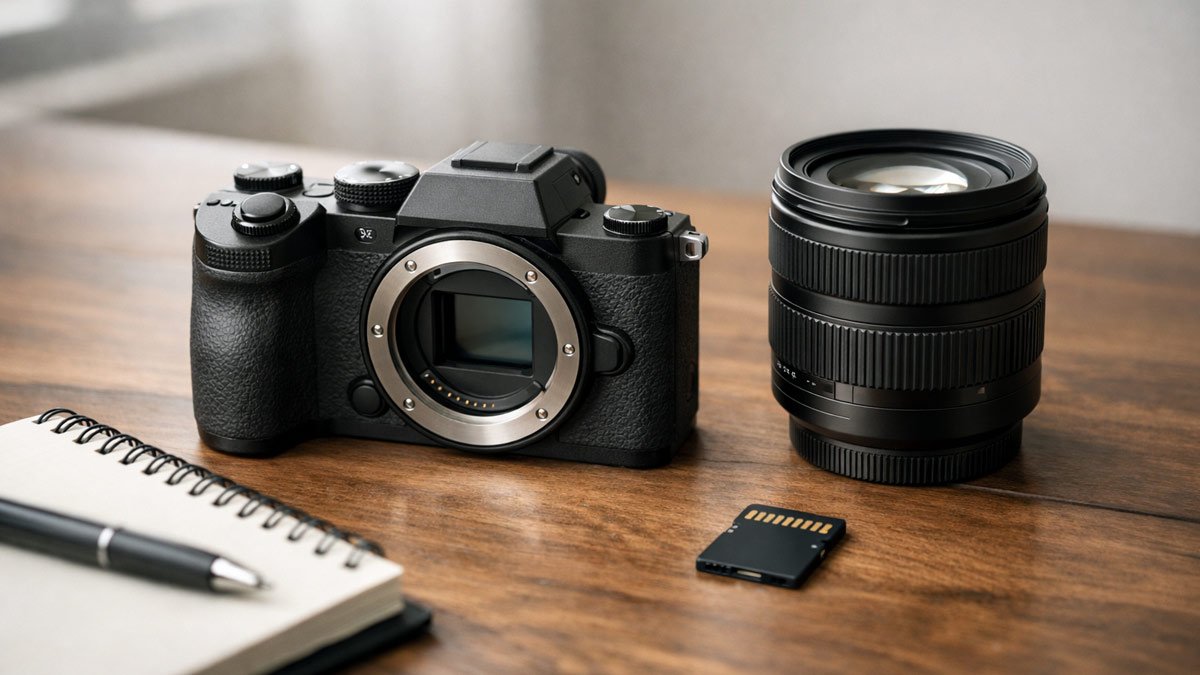
Budget camera 2026 decisions are harder than they should be. Every brand promises cinematic 8K, 50 megapixels, and “pro-level performance” even in entry-level models.
But most people buying a budget camera don’t need more specs. They need clarity. What actually matters for real-world photos and video? And what’s just marketing noise designed to make you upgrade unnecessarily?
If you’re buying a budget camera in 2026, ignore the hype and focus on this:
Everything else is secondary.
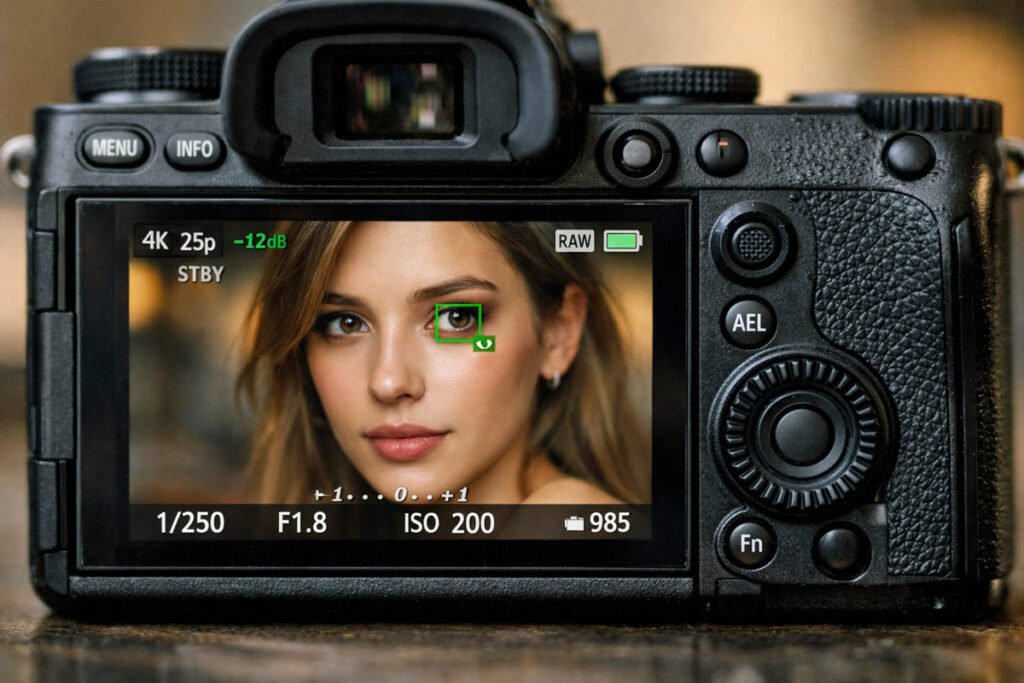
Autofocus is the single biggest difference between an average budget camera and one that feels “professional.”
In 2026, even entry-level cameras advertise 24MP, 32MP, or more. But resolution rarely ruins footage. Missed focus does.
Modern autofocus systems use subject detection and eye tracking to lock onto faces, animals, and moving subjects. If you film yourself, vlog, shoot events, or photograph kids, reliable tracking matters more than megapixels.
A sharp 20MP image beats a blurry 32MP image every time.
When comparing budget camera 2026 options, look for real-world autofocus performance—not just spec sheets.
Sensor size determines how much light your camera can capture — and light is everything.
Most budget camera 2026 models use APS-C or Micro Four Thirds sensors. Full-frame exists, but often stretches the meaning of “budget.”
A larger sensor generally offers:
• Better low-light performance
• More dynamic range
• Cleaner shadows
• More natural background blur
But sensor size alone doesn’t guarantee better images. Lens quality and processing matter too.
If you shoot indoors, at events, or in mixed lighting, prioritize low-light performance over resolution numbers. A cleaner 20MP file at ISO 1600 is more usable than a noisy 32MP file at the same setting.
Marketing will highlight megapixels. Real-world use reveals noise.
Most people shopping for a budget camera in 2026 focus on the body. That’s understandable. It’s the visible part. It’s the exciting part.
But bodies change every few years. Lenses stay with you.
When you choose a camera system, you’re choosing a lens mount. And that decision affects:
• The variety of lenses available
• The price of future upgrades
• Third-party support
• Long-term flexibility
A slightly older body with access to a strong lens ecosystem often makes more sense than a newer body tied to limited glass.
Before you compare specs, look at the lens catalog. That’s where the real investment lives.
Shaky footage ruins more content than low resolution ever will.
If you plan to shoot handheld video, stabilization matters more than 6K, 8K, or slow-motion marketing claims.
Some budget camera 2026 models include in-body image stabilization (IBIS), which physically shifts the sensor to reduce shake. Others rely on digital stabilization, which crops the image and can reduce quality.
IBIS generally delivers smoother, more natural results — especially for walking shots, travel footage, or vlogging.
If you mostly shoot on a tripod, stabilization matters less. But if you shoot handheld even occasionally, prioritize real stabilization over higher resolution.
Smooth footage looks professional. Shaky 8K does not.
Battery life and heat rarely appear in flashy marketing campaigns — but they shape real-world use.
Recording high-resolution video generates heat. Smaller bodies with limited ventilation can overheat, shut down, or throttle performance during long sessions.
If you plan to record interviews, events, or longer YouTube videos, check real-world overheating reports, not just manufacturer claims.
Battery life matters too. Budget cameras often ship with smaller batteries. That may be fine for photography, but video drains power quickly.
A camera that lasts 45 minutes per battery changes how you work.
In 2026, creators need reliability more than spec sheets.
Megapixels are easy to advertise. They sound impressive. They are simple to compare.
But beyond a certain point, they don’t meaningfully improve most people’s images.
Higher megapixel counts mean:
• Larger file sizes
• Slower editing
• More storage costs
• Longer export times
If you’re posting online, printing standard sizes, or sharing on social platforms, you likely won’t see a visible difference between 20MP and 32MP.
Sharp focus and good lighting matter more than resolution inflation.
Megapixels sell cameras. They don’t automatically make better photographers.
8K sounds futuristic. It also sounds necessary.
For most people, it isn’t.
8K files are enormous. They demand fast storage, powerful computers, and longer rendering times. Most viewers consume content in 1080p or 4K — especially on phones. Research from the Pew Research Center shows that the majority of video consumption now happens on mobile devices.
In many budget camera 2026 models, 8K also increases heat and reduces recording time.
Unless you have a specific professional need for reframing or large-screen delivery, 8K is often a marketing headline, not a practical advantage.
Resolution is easy to advertise. Workflow is harder to sell.
High frame rates look impressive on spec sheets: 120fps, 240fps, sometimes even higher.
Slow motion can be useful — but most creators rarely need extreme frame rates outside of specific sports or cinematic projects.
Higher frame rates often reduce resolution, increase file size, and drain battery faster.
If your typical workflow is interviews, travel, vlogging, or product content, you’ll likely shoot at standard frame rates most of the time.
Buy for how you actually shoot, not how you imagine you might shoot someday.
| If You Care Most About | Prioritize | Accept This Tradeoff |
|---|---|---|
| Reliable focus for video | Advanced autofocus tracking | Slightly lower megapixel count |
| Clean indoor photos | Larger sensor / better low-light performance | Higher body cost |
| Long-term value | Strong lens ecosystem | Slower body upgrades |
| Smooth handheld footage | In-body stabilization (IBIS) | Slightly heavier body |
| Future-proofing specs | Higher resolution | Larger files & storage needs |
Most budget camera 2026 buyers don’t need everything. They need clarity about tradeoffs. Cameras are compromise machines. The right choice depends on what you care about most.
This website contains affiliate links. As an Amazon Associate, I earn from qualifying purchases. The content on this website was created with the help of AI.
If you want reliable autofocus and strong video performance, look at cameras in the Sony APS-C ecosystem, such as the Sony a6700 or similar mid-range bodies.
If low-light photography is your priority, Fujifilm’s APS-C lineup offers excellent color science and a wide range of lens options at competitive prices.
If stabilization and portability matter most, Micro Four Thirds systems like Olympus / OM System remain strong, lightweight options.
The goal is to choose a system that fits your real workflow, not merely chasing specs.
Before you buy a budget camera in 2026, ask yourself three questions:
Will I regret not spending a little more for better autofocus?
Will I regret locking myself into a lens mount with limited options?
Will I actually use the features that look impressive on paper?
Most camera regret doesn’t come from missing megapixels. It comes from friction — missed focus, poor low-light performance, or limited upgrade paths.
A camera should remove obstacles, not introduce new ones.
Buy for your real workflow, not your aspirational one. If your camera will travel with you often, portability and durability may matter just as much as image specs.
Not necessarily. Full-frame offers advantages in low light and depth-of-field control, but many APS-C cameras deliver excellent image quality at a lower cost. For most creators, sensor performance matters more than sensor size branding.
For online content, social media, and standard prints, 20–24 megapixels is more than sufficient. Higher resolution mainly benefits large prints or heavy cropping.
Yes. 4K remains more than adequate for most platforms and viewing devices. Good lighting, steady footage, and reliable autofocus matter more than jumping to 8K.
Lenses. Bodies evolve quickly, but lenses stay with you for years. A strong lens ecosystem provides flexibility and long-term value.
Chasing specs instead of solving workflow problems. A camera should fit how you actually shoot, not how marketing suggests you should.