
Newsletter Subscription
Enter your information below and subscribe to our newsletter

This website contains affiliate links. As an Amazon Associate, I earn from qualifying purchases. The content on this website was created with the help of AI.
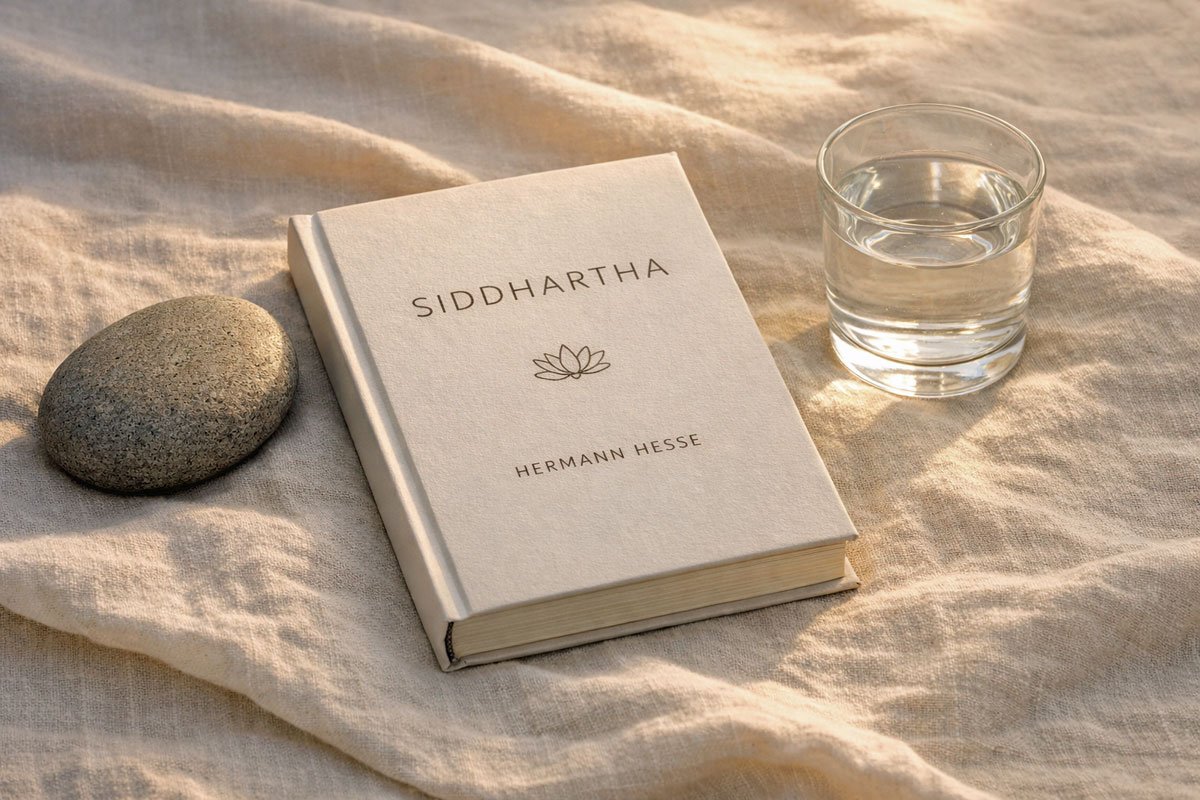
In a world obsessed with “Theology and Geometry” (as our friend Ignatius would say), Siddhartha by Hermann Hesse remains the definitive guide to finding the third way: The Way of Experience. Published over a century ago, this short but profound novel has become the cornerstone of “Quiet Luxury” for the mind.
If you’ve ever felt like you’ve collected all the “knowledge” but have none of the “wisdom,” this is the book that will stop your racing thoughts.
Set in ancient India during the time of Gautama Buddha, the story follows Siddhartha, a young Brahmin who seemingly has everything—intellect, status, and a bright future. Yet, he is plagued by a “restlessness of the soul.”
Siddhartha’s journey is a series of radical pivots:
In 2026, we are bombarded with “experts” telling us how to live. Siddhartha reminds us that even meeting the Buddha himself isn’t enough; you must find your own path through the world’s challenges to find your own peace.
The river is the central character of the book’s final half. It represents the idea that everything—past, present, and future—exists in the same moment. It is the perfect metaphor for a life that is “flowing” rather than “forced.”
Hesse’s prose is shimmeringly simple. It doesn’t rely on complex jargon or academic density. It is an aesthetic masterpiece that feels as clean and intentional as a minimalist home.
| Feature | The Detail |
| Genre | Philosophical Fiction / Allegory |
| Setting | Ancient India |
| Protagonist | Siddhartha (The Seeker) |
| Vibe | Serene, Reflective, Transcendent |
Siddhartha is more than just a book; it is a mental reset. It encourages us to embrace the “waste” and the “errors” of our lives as essential parts of our growth.
To explore the historical context of the Pulitzer-winning author and his journey into Eastern philosophy, visit the Nobel Prize digital archives (Hesse won in 1946).